Still Paying UK Pension Tax Abroad? Here’s How Double Taxation Really Works
If you’ve moved abroad but still receive income from a UK pension, you may have asked yourself a frustrating question: why am I still paying UK tax on my pension when I don’t even live there anymore?
For many freelancers, consultants, and small business owners living overseas, UK pension tax can feel confusing and unfair. In some cases, people end up paying tax twice without realising it.
The good news is that double taxation is often avoidable, as long as you understand how the rules actually work.
This article explains the situation in plain English and outlines what you can do to stop overpaying.
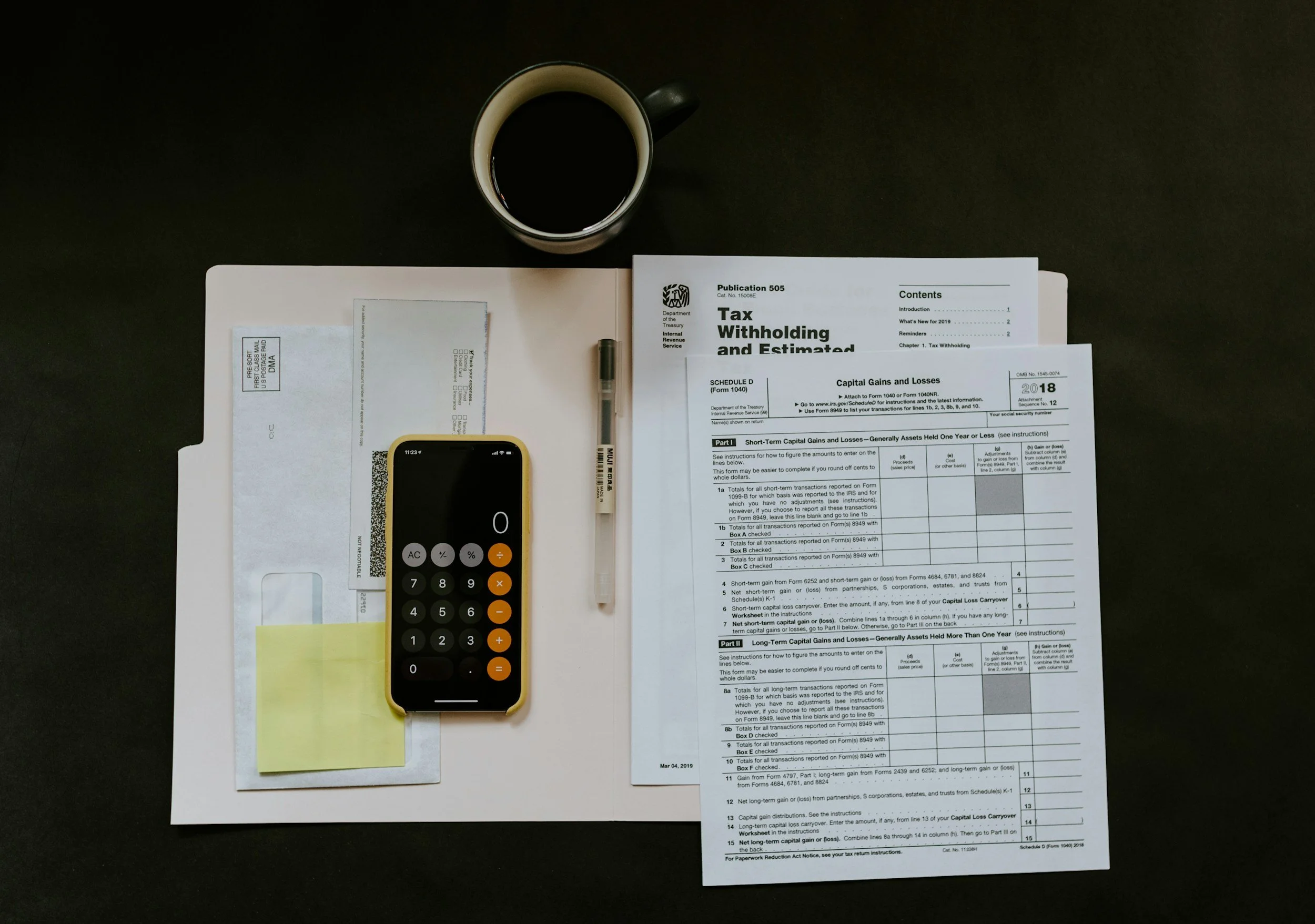
How UK Pension Tax Works Once You Live Abroad
A common misunderstanding is that when you leave the UK, tax on your pension automatically stops. In reality, this is rarely the case.
Most private and workplace pensions continue to be taxed at source in the UK, even if you are no longer UK resident. Pension providers are generally required to deduct UK income tax unless they are formally instructed otherwise.
Your nationality is not relevant here; what matters is your tax residency. This means someone can live abroad for years and still have UK tax deducted from their pension by default.
This becomes a problem when your country of residence also taxes worldwide income. In that scenario, your pension may be taxed in the UK first and then taxed again locally when you declare it abroad. This is how double taxation often happens.
Recommended Action: review your pension statements and payslips. Check whether UK tax is still being deducted and confirm that your non-UK residency status has been properly established.
Understanding Double Taxation Agreements
To deal with situations like this, the UK has double taxation agreements with many countries.
A double taxation agreement sets out which country has the right to tax different types of income, including pensions. Its purpose is to prevent the same income from being taxed twice.
Depending on the agreement, pension income may be taxed only in your country of residence, taxed partly in both countries, or taxed in the UK with relief applied overseas. Government and civil service pensions can also follow different rules.
The key thing to understand is that treaty rules override local tax rules, but they do not apply automatically. Tax authorities and pension providers will usually continue deducting tax until the correct process is followed.
Recommended action: check whether your country of residence has a double taxation agreement with the UK and review how pensions are treated under that agreement.
How to Stop Paying Tax Twice on Your UK Pension
Avoiding double taxation usually requires taking practical steps, such as obtaining an NT Code.
For a full-breakdown of the NT code and how to apply, see our dedicated page here.
This can include notifying HMRC that you are non-UK resident, completing the relevant double taxation relief forms, and providing documentation to your pension provider. In some cases, it is also possible to reclaim tax that has already been overpaid.
Many people continue to overpay simply because these steps were never completed or were delayed. Pension providers default to deducting tax, forms can be slow and confusing, and local accountants may not be familiar with UK pension rules.
Left unaddressed, this can slowly but significantly reduce your retirement income over time.
Recommended action: seek professional advice from someone who understands both UK pensions and international taxation, rather than relying on assumptions or general guidance.
Our Verdict and Next Steps
If you live abroad and receive income from a UK pension, it is important to understand that UK tax does not automatically stop when you leave the country. Double taxation agreements exist to protect you, but only if they are correctly applied.
Many people overpay tax simply because no one ever reviews their pension tax position once they move overseas. A small amount of attention now can prevent long-term tax leakage and help preserve your retirement income.